The Ultimate Guide to Siding Replacement: Everything You Need to Know
Embarking on the journey of siding replacement, this article aims to provide a comprehensive overview of the process, materials, and reasons why it’s essential for every homeowner. Let’s delve into the world of siding replacement and uncover its importance.
Exploring different types of siding materials, signs that indicate replacement is needed, and crucial tips for hiring the right contractor, this guide will equip you with all the information you need to make informed decisions about your home’s exterior.

Timely siding replacement is crucial for maintaining a home’s structural integrity. Old or damaged siding can lead to water infiltration, rot, and mold growth, which can compromise the stability of the entire house.
Worn-out siding can also have a significant impact on energy efficiency and insulation. Gaps or cracks in the siding allow air to escape, causing your HVAC system to work harder to maintain a comfortable temperature. This can result in higher energy bills and reduced overall efficiency.
Installing new siding not only improves the functionality of your home but also enhances its curb appeal. Fresh, modern siding can transform the look of your house, increasing its value and making it more attractive to potential buyers.

When considering siding replacement, there are various materials to choose from, each with its own set of characteristics, benefits, and drawbacks.
Vinyl siding is a popular choice due to its affordability, low maintenance requirements, and versatility in terms of colors and styles. It is durable and resistant to rot, pests, and fading. However, extreme temperatures can cause it to warp or crack over time.
Wood siding offers a classic, natural look that many homeowners find attractive. It can be painted or stained to achieve the desired aesthetic. While wood siding is durable and environmentally friendly, it requires regular maintenance such as painting or staining to prevent rot, mold, and insect damage.
Fiber cement siding is a blend of cement, sand, and cellulose fibers, offering durability, fire resistance, and minimal maintenance. It can mimic the look of wood or stucco while being more affordable and easier to maintain. However, installation costs may be higher than other materials.
Metal siding, such as aluminum or steel, is known for its strength, longevity, and resistance to fire, insects, and rot. It is low maintenance and can be painted or finished in various colors. Metal siding is also energy-efficient and recyclable, but it may dent or scratch easily.
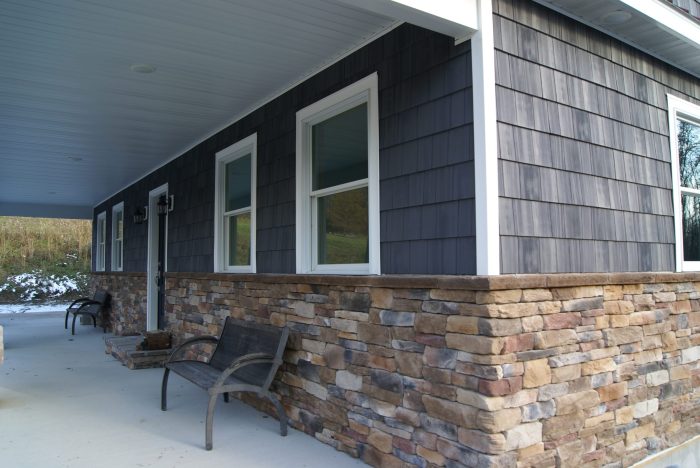
Regular inspections of your home’s siding are crucial to ensure its functionality and appearance. Here are some common signs that indicate the need for siding replacement:
One of the most obvious signs that your siding needs replacement is the presence of cracks or warping. These issues can compromise the integrity of your siding, allowing moisture to seep in and potentially causing further damage.
If you notice any signs of rot or decay on your siding, it is a clear indication that replacement is necessary. Rotting siding not only looks unsightly but can also lead to structural damage if left unaddressed.
Mold growth on your siding is not only an eyesore but also a health hazard. If you spot mold or mildew on your siding, it is important to replace it promptly to prevent further spread and potential health issues.
Weather conditions, such as extreme heat, cold, rain, and snow, can take a toll on your siding over time. Additionally, as siding ages, it becomes more susceptible to damage and wear. Regular inspections and maintenance can help prolong the lifespan of your siding and address any issues before they escalate.

When it comes to hiring a professional siding contractor, there are several important steps that homeowners should take to ensure they are choosing the right one for the job.It is crucial to check for licenses, insurance, and references before hiring a contractor.
A valid license ensures that the contractor has met the necessary requirements to perform the work, while insurance protects both the homeowner and the contractor in case of any accidents or damages during the project. Checking references allows homeowners to see the contractor’s track record and the quality of their work.

In conclusion, siding replacement is not just about aesthetics but also about ensuring the longevity and efficiency of your home. By understanding the signs, materials, and hiring process discussed in this guide, you are now ready to take on the task with confidence.
Make your home beautiful and protected with a successful siding replacement project.
How often should siding be replaced?
Siding replacement is typically needed every 20-40 years, depending on the material and maintenance.
Can I install new siding over the existing one?
It’s not recommended as it can cause moisture issues and void warranties. It’s best to remove the old siding before installing new.
What factors affect the cost of siding replacement?
Factors such as material choice, size of the project, and additional repairs needed can impact the overall cost of siding replacement.